Niye Neden
NiyeNeden.com
Why, Reason, Explained!
Health Life Technology Islam Machine Nutrition Public Science Art Info

Motorcycle Guide, Information

In the Motorcycle category, the answers to the most frequently asked why questions about motorcycles are provided, and the basic information about the motor world is explained in a simple way. This section covers topics such as why motorcycles have different engine capacities, why chain or belt systems are used, and why some models are more stable or faster. It also includes practical information about motorcycle maintenance, safety equipment, fuel differences, and riding techniques. Please send us your “why” questions about motorcycles - it takes no more than 2 minutes.
Last Update: Türkçe Oku
Car Airplane
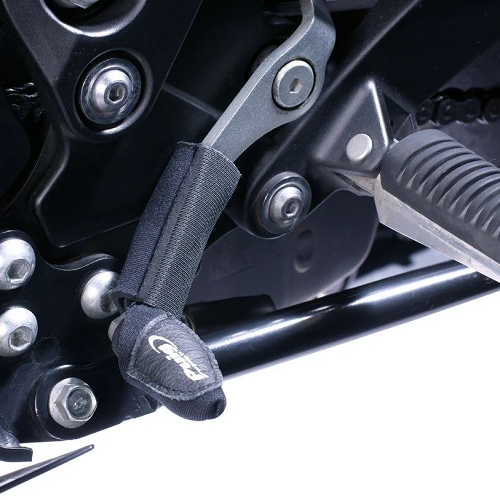
Why Are Motorcycle Gears Shifted With the Foot?

Why Are Motorcycle Gears Shifted With the Foot?

Shifting motorcycle gears with the foot improves safety, balance, ergonomics and control by keeping the rider’s hands on the handlebars.

Read Why
Why Diesel Motorcycles Are Not Produced?

Why Diesel Motorcycles Are Not Produced?

Diesel motorcycles are not produced due to technical and production challenges, weight and performance incompatibility.

Read Why
Why are motorcycles not as safe as cars?

Why are motorcycles not as safe as cars?

Motorcycles are not as safe as cars because they lack protective structure, balance stability, and visibility, which increase accident risks.

Read Why
Why are motorcycles not as fast as cars?

Why are motorcycles not as fast as cars?

Motorcycles are not as fast as cars due to aerodynamic drag, limited engine power, and stability constraints.

Read Why
Why do motorcycles lean while turning?

Why do motorcycles lean while turning?

Motorcycles lean while turning to balance centrifugal force and maintain better road grip during a curve.

Read Why
Why Should We Wear a Helmet?

Why Should We Wear a Helmet?

Wearing a helmet is vital because it is used to protect the head while riding a motorcycle and greatly reduces the risk of death in accidents.

Read Why