Niye Neden
NiyeNeden.com
Why, Reason, Explained!
Health Life Technology Islam Machine Nutrition Public Science Art Info

Why Are Legumes Soaked in Water?

Soaking dry legumes shortens cooking time, improves digestion, and reduces gas formation.
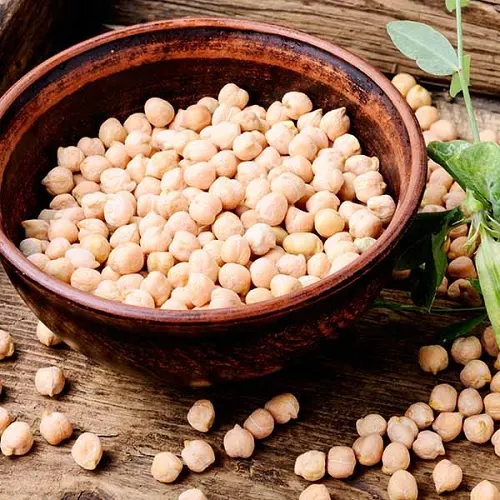
Why Are Legumes Soaked in Water image Why are legumes soaked in water is an important question for those who are curious about a common cooking process in the kitchen. When dry legumes are soaked in water before cooking, they soften structurally and their nutritional values are preserved. This method allows the tough outer shell of legumes to absorb water and cook evenly. In addition, soaking improves the digestibility of legumes and reduces their gas-producing effects. Especially for chickpeas, dry beans, lentils and other hard legumes, soaking as a pre-preparation step saves time and contributes to more flavorful dishes.

The reason for soaking legumes in water

By soaking dry legumes in water, you can easily understand why they cook faster and are easier to digest. If we write it in points:
1- Water softens the tough outer shell of legumes and ensures even heat distribution during cooking.
2- Soaked legumes reduce some natural enzyme inhibitors and phytic acid, which helps the body digest nutrients more easily.
3- Soaking also affects the fiber structure and helps limit gas formation in the stomach and intestines.
This method not only shortens cooking time but also makes the texture of legumes more delicious and prevents unwanted toughness in dishes. Additionally, during soaking, legumes increase in volume, which ensures a more balanced cooking process. Pre-soaking dry legumes, especially large or hard-shelled ones, prevents them from breaking or crumbling during cooking.

Practical ways to soak legumes

Let’s explain a few practical ways to soak legumes in water:
1- Dry legumes should be washed and placed in a clean container with enough water to cover them for 8-12 hours.
2- For a faster method, short-term soaking in boiling water can be done, but some nutrients may be lost.
3- During soaking, the water should fully cover the legumes to ensure the shells soften evenly and prevent cracking during cooking.

The soaking process not only saves time but also supports healthier and tastier dishes. Soaking legumes not only makes cooking easier but also reduces digestion and gas problems. Therefore, dry legumes should always be soaked for the appropriate time before cooking. /

Similar Natural Foods Questions and Answers ↓

Why is salt harmful?

Why is salt harmful?

The question why salt is harmful is about the effects of iodized and excessive salt on the body. Too much salt raises blood pressure and strains the heart.

Read More
Why Does Milk Sour?

Why Does Milk Sour?

The reason milk sours is due to bacteria and storage conditions, milk spoils quickly if not stored properly and tastes sour.

Read More
Why Does Yogurt Not Set?

Why Does Yogurt Not Set?

The question why yogurt does not set is caused by milk temperature, starter ratio, or room heat mistakes. Too much heat makes yogurt watery and sour.

Read More
Why Does Honey Not Spoil?

Why Does Honey Not Spoil?

Why does honey not spoil Low water content and acidic structure are the reasons for honeys durability Is honey freezing a sign of spoilage.

Read More
Why Are Probiotics Used?

Why Are Probiotics Used?

Probiotics are taken because they balance gut flora, improve digestion, strengthen the immune system, and support our second brain.

Read More