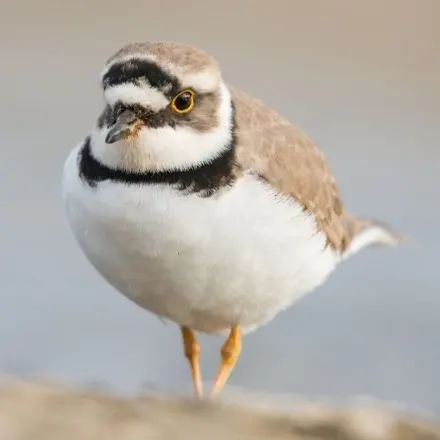
Animals migrate because climate and food conditions change, and through long journeys they ensure their survival.
Animals continue one of nature’s oldest and most orderly cycles: migration. So, why do animals migrate and why do they embark on such long journeys? Migration is a planned movement that animals undertake to survive, reproduce, and find food. This behavior is not limited to birds; it is also seen in fish, mammals, reptiles, and even some species of insects. They migrate because the environment they live in changes seasonally, making survival more difficult. During cold winter months, food sources become scarce, water freezes, and temperatures drop drastically. Therefore, animals move toward warmer, more fertile, and safer regions. This instinctive journey is a natural wonder that has continued for millions of years.
Why animals migrate and how this process works
Migration is one of the most remarkable examples of animals’ survival strategies.
1- Search for food: The main reason animals migrate is to find more abundant food sources.
2- Climate changes: Environmental shifts such as falling temperatures or drought drive them to more favorable climates.
3- Breeding season: Some species migrate to raise their offspring in safer environments.
4- Protection from predators: Finding safe areas away from danger is vital for survival.
During this process, some animals travel thousands of kilometers. For instance, storks journey as far as Africa, while salmon return to the freshwater streams where they were born. All of these movements occur through an innate sense of navigation.
The contribution of migration to nature and balance
Animal migration affects not only individual survival but also the balance of entire ecosystems. Migrating animals carry plant seeds, maintain equilibrium in the food chain, and create connections between ecosystems. Moreover, migration increases genetic diversity as individuals from different regions meet and reproduce, enriching the gene pool. This biological circulation is an essential mechanism that sustains the continuity of nature. In conclusion, through their long migratory journeys, animals both ensure their own survival and contribute to the natural cycle. Migration is not merely a movement but a universal adaptation strategy essential for the continuation of life. /