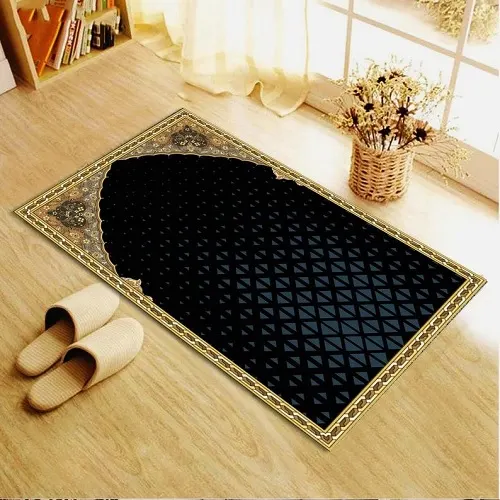
Facing the Qibla in prayer creates unity focus and discipline The direction of the Kaaba represents devotion obedience and shared belief.
The question why do Muslims face the qibla during prayer is one of the fundamental questions that occupies the minds of many people who wish to understand the meaning and spirit of prayer. Prayer in Islam is not merely an act consisting of certain physical movements; it is a conscious and regular bond established between the servant and Allah. For this bond to be formed properly, both the heart and the body are intended to turn toward the same goal. The qibla refers to the common direction Muslims face during prayer, and this direction is symbolized by the Kaaba. Facing the qibla strengthens the awareness of unity, discipline, and submission while worshipping Allah. Millions of Muslims, wherever they are in the world, turning toward the same direction and performing prayer at the same time demonstrates the universal nature of Islam and its shared foundation of belief. The qibla does not imply that Allah is bound to a place; rather, it is a divine measure determined to prevent distraction during worship and to ensure unity of direction. This orientation transforms prayer from an ordinary act into a meaningful and conscious act of worship.
The Meaning of Unity and Order in the Qibla
One of the most important answers to the question of why Muslims face the qibla during prayer lies in the concepts of unity and order. In Islam, acts of worship carry not only an individual dimension but also a sense of communal awareness. Facing the qibla allows Muslims to focus on a single goal during worship. If everyone were to perform prayer facing different directions, it would create both mental and visual distraction. The qibla eliminates this confusion and gives seriousness to worship. Standing in straight rows, facing the same direction, and performing the same movements simultaneously strengthen the disciplined aspect of prayer. This order also reflects on the inner world of the individual. The mind gathers more easily, and the heart finds peace more readily. Facing the qibla also symbolizes equality among Muslims. Rich or poor, ruler or ordinary person, everyone stands in the same direction in the same manner. This reminds believers that superiority in the sight of Allah is not based on direction or status, but on sincerity.
The Symbolic and Historical Importance of the Kaaba
The selection of the Kaaba as the qibla for prayer is not coincidental. The Kaaba is regarded in Islamic belief as the first sanctuary built on earth for the worship of Allah. Constructed by Prophet Ibrahim and his son Prophet Ismail, this sacred structure is accepted as a symbol of monotheism. Facing the qibla during prayer is not turning toward a building itself, but toward the center of belief that the building represents. The Kaaba is a symbol of worship, submission, and turning toward Allah in the collective memory of Muslims. Facing the qibla shows that prayer is performed not randomly, but within a specific divine order. In addition, the qibla represents the historical continuity of Muslims. People who have prayed facing the same direction for centuries become links in the same chain of faith. This orientation establishes a spiritual bridge between the past and the present and deepens the meaning of worship.
Awareness of Obedience and Spiritual Focus
Another important answer to the question of why Muslims face the qibla during prayer is awareness of obedience and spiritual focus. Since the qibla is a direction determined by Allah’s command, turning toward it reflects the servant’s devotion and submission to Allah. While facing the qibla in prayer, a person directs not only the body but also intention and heart toward Allah. This unity of direction prevents mental distraction and enhances the feeling of humility and reverence. During prayer, attention is drawn away from external factors and concentrated on the meaning of worship. Facing the qibla makes prayer more conscious and profound. At the same time, this orientation offers a symbolic answer to the human search for direction in life. Just as the qibla is clear in prayer, it reminds believers that the true direction in life is seeking the pleasure of Allah. For this reason, the qibla is not merely a physical direction, but a spiritual compass. /
The purpose of worship is to fulfill spiritual values such as devotion to God, inner peace, gratitude, and social solidarity as an expression of faith.
The Adhan is recited to announce the arrival of prayer time establish a spiritual identity and regulate the daily lives of Muslim communities according to the times of worship.
Why should we fast? In the light of the Quran and Hadith, fasting is a sacred duty that purifies the soul, teaches patience, and deepens gratitude toward Allah.