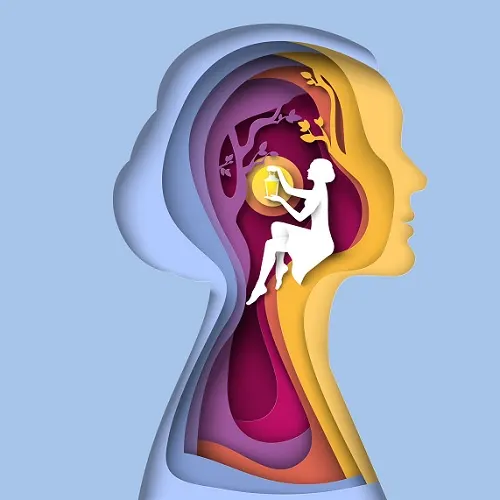
Why Do We Dream?
Dreams help the brain process emotions and memories during REM sleep, maintaining mental balance.

From a psychological point of view, dreams are seen as expressions of suppressed emotions and subconscious thoughts. Sigmund Freud interpreted dreams as the manifestation of repressed desires through symbols, while Carl Jung viewed them as a symbolic language of the collective unconscious. Modern neuroscience, however, explains dreams as the brain’s attempt to make sense of random neural activations.
Ultimately, dreaming is both a biological and psychological necessity. The brain continues to work during sleep, reducing emotional tension, reinforcing learning, and stimulating creativity. Dreams are not merely by-products of sleep but vital components of mental well-being. /