Niye Neden
NiyeNeden.com
Why, Reason, Explained!
Health Life Technology Islam Machine Nutrition Public Science Art Info

Why Do We Feel Jealous?

Jealousy is a natural emotion fueled by the fear of loss. When balanced, it can be motivating; when excessive, it can have destructive effects.

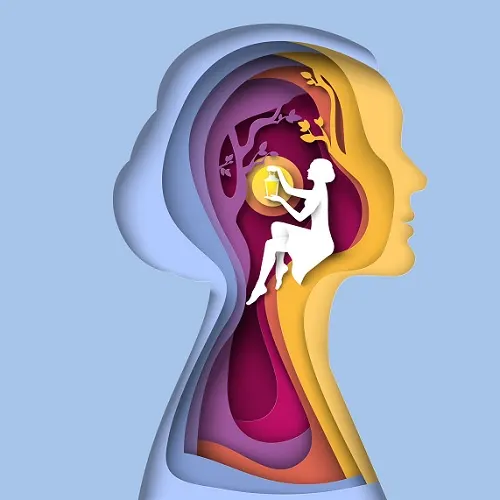
Why Do We Feel Jealous image Jealousy is one of the most primitive and powerful human emotions. The question “Why do we feel jealous?” can be answered through both biological and psychological perspectives. From an evolutionary standpoint, jealousy developed as a defense mechanism to protect valuable relationships and resources. The human brain is wired to safeguard attachment bonds; when it perceives a threat — whether a rival, a shift in attention, or loss of status — the limbic system activates an emotional alarm known as jealousy.
At its core, jealousy stems from comparison. When we believe someone else is receiving more love, success, or recognition, our sense of self-worth is shaken. The feeling often arises from insecurity, fear of rejection, or lack of control. In romantic relationships, jealousy reflects anxiety over losing a partner’s affection; between siblings, it may result from competition for parental attention; and in workplaces, it’s tied to rivalry and validation needs. Yet jealousy is not inherently bad — in moderation, it can motivate self-improvement or deepen commitment.
Problems begin when jealousy becomes excessive. Obsessive monitoring, suspicion, and constant comparison erode confidence and damage trust. Prolonged jealousy can lead to anger, anxiety, and even controlling behavior. The healthy approach is to acknowledge the emotion rather than deny it: identify its cause, strengthen trust, and nurture self-respect. Understanding that jealousy is more about fear of loss than love itself allows one to manage it with maturity.
To overcome jealousy, one must build self-awareness and emotional security. Open communication in relationships helps prevent misunderstandings, while focusing on gratitude and personal growth reduces the urge to compare. Love is not about possession but freedom; jealousy may be natural, but mastering it is what makes relationships last and the individual emotionally resilient. /
Similar Psychology Questions and Answers ↓

Why Do We Have Panic Attacks?

Why Do We Have Panic Attacks?

Panic attacks emerge when stress and anxiety build up over time, causing intense and sudden episodes even when the person is unaware of the triggers forming.

Read More
Why Does Depression Occur?

Why Does Depression Occur?

The answer to why and how depression occurs is that the brain’s chemistry becomes largely disrupted due to stress and environmental factors.

Read More
Why Do We Not Want to Die?

Why Do We Not Want to Die?

The phrase I don’t want to die reflects the human instinct to live and the psychological desire to exist.

Read More
Why does forgetfulness begin?

Why does forgetfulness begin?

Forgetfulness occurs or arises due to aging, stress, or nervous system disorders, and it results from imbalances in the brain’s information-processing process.

Read More
Why do we become indecisive?

Why do we become indecisive?

The reason people become indecisive comes from mental load emotional conflict and fear of uncertainty which makes decision making difficult.

Read More
Why Do People Lie?

Why Do People Lie?

People lie to each other for self-protection, personal gain, or to avoid conflict, often lying repeatedly in daily interactions.

Read More