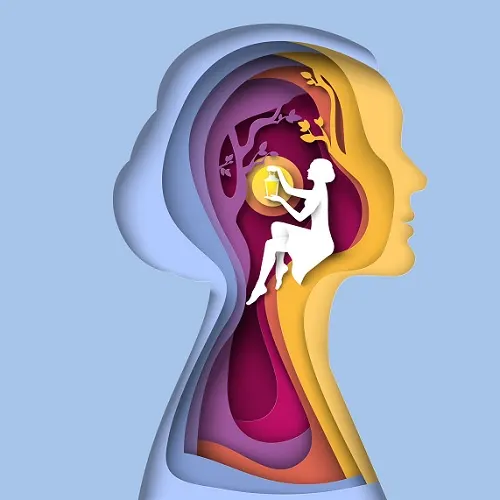
Panic attacks emerge when stress and anxiety build up over time, causing intense and sudden episodes even when the person is unaware of the triggers forming.
People who experience panic attacks often face an intense and overwhelming situation that appears suddenly and creates a sense of losing control. The rapid onset of heart palpitations, shortness of breath, trembling, and the feeling that something terrible is about to happen pushes the person into deep fear. For this reason, the question why do we have panic attacks frequently comes up, because individuals try to understand whether what they experience is a sign of an illness or just a temporary state. In reality, the body’s internal alarm system plays a major role in the emergence of a panic attack. When the brain senses danger, it produces a rapid reaction to protect the body. However, when this reaction is triggered without real danger, the person experiences intense physical symptoms. Some people believe this situation can be overcome over time as it is “passed through”, while others feel that with the right support, “we can get through it together”. Fundamentally, panic attack occurs when the harmony between the mind and body is disrupted.
Causes of Panic Attacks
The causes of panic attacks can be based on many different factors. This situation is not only psychological but also connected to physical processes. First of all, long-term stress, intense anxiety, and emotional pressure can strongly trigger a panic attack. When the brain is under stress, it may misinterpret danger signals, and the body reacts as if the danger is real. In addition, some individuals are more prone to panic attacks due to past traumas or emotional losses. Genetic influence also matters because if family members have panic disorder, the risk increases. Another factor is the imbalance in body chemistry. A decrease in certain chemicals such as serotonin, poor sleep patterns, and unhealthy eating habits may trigger panic attacks. Substances like caffeine and nicotine can also increase the symptoms. The causes of panic attacks can be listed as follows.
1- Long-term stress and anxiety
2- Past traumas and intense emotional experiences
3- Genetic predisposition 4- Chemical imbalances in the brain
5- Sleep disorders
6- Excessive caffeine and stimulant consumption
7- Habitual rapid breathing
The combination of these factors causes panic attacks to emerge uncontrollably. During this process, the person becomes both physically and emotionally exhausted, and the possibility of experiencing another attack creates ongoing fear. Understanding how a panic attack works and seeing why the symptoms appear helps the person feel safer.
Coping With Panic Attacks
To cope with panic attacks, one must first understand the meaning behind the symptoms. When the person realizes that what they are experiencing is not a deadly danger, they can manage the symptoms more effectively. Breathing control is important because rapid breathing increases the severity of symptoms. In such a situation, slow and controlled breathing helps calm the body. Stress management is also a key part of the process. Taking short walks during the day, maintaining a proper sleep routine, and staying away from stimulants reduce the intensity of attacks. Some individuals navigate this process by relying on their inner balance, thinking that it will be “passed through over time”, while others move forward with the feeling of “we get through it together” by receiving professional support. Even if panic attacks do not completely disappear, they can be controlled with the right methods. As individuals learn to recognize their body’s signals, their fear decreases and the frequency of attacks becomes lower. /
Forgetfulness occurs or arises due to aging, stress, or nervous system disorders, and it results from imbalances in the brain’s information-processing process.