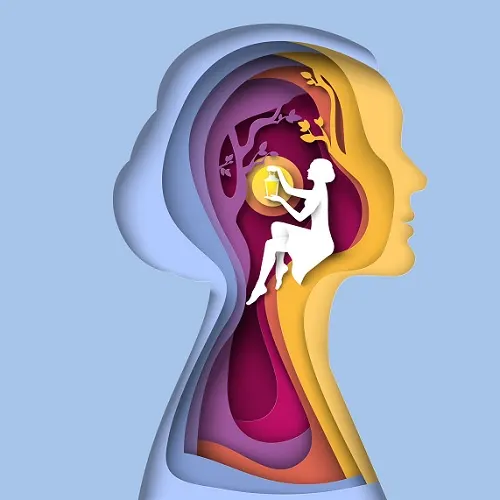
Why Do We Not Want to Die?
The phrase I don’t want to die reflects the human instinct to live and the psychological desire to exist.

The Psychological Basis of the Survival Instinct and Fear of Death
Human beings are naturally programmed to continue living. This is the fundamental instinct known as the survival drive. In the subconscious of someone who says I don’t want to die lies the desire to protect the value of life.1. Death represents the fear of the unknown.
2. Humans develop an inner resistance to an end they cannot control.
3. Attachment and love are the strongest reasons for holding on to life.
4. Social roles, responsibilities, and goals strengthen one’s bond with existence.
According to psychologists, rejecting death is part of the process of giving meaning to life. Once a person realizes the transience of life, that awareness makes them more creative, more loving, and more inclined to share.
Making Peace with Death and Holding on to Life
The thought of death provokes fear in most people but brings a heightened appreciation of life to others. The phrase I don’t want to die is not an expression of anxiety but of attachment to life. As people form emotional bonds and build hopes for the future, they push thoughts of death into the background. Religion, philosophy, and art give meaning to this fear and help maintain emotional balance.1. Understanding death reduces anxiety.
2. Giving purpose to life transforms fear.
3. Accepting death allows for a more conscious way of living.
True peace is not found in escaping death but in accepting its existence while still choosing to love life.
At this point, not wanting to die is not a weakness but a natural consequence of existence. To live means not only to survive but also to seek meaning, love, and the chance to leave a legacy. A person who says I don’t want to die is, in reality, someone striving to understand life more deeply. This phrase reflects not fear but the consciousness that regards life as sacred.
Death is not execution or annihilation; nor is it eternal separation. On the contrary, it is a discharge — a release for one who has completed their duty. It is also a change of place, a journey toward eternal happiness.
Just as a soldier is discharged and sent home after finishing his service, so too is a human being a guest and a servant in this world. When their duty in life ends, the Creator sends them to another realm — a more peaceful and beautiful place.
Indeed, for those with faith, death is the gate of mercy; for those without, it is the pit of endless darkness. To fear death is like fearing discharge after military service. A wise soldier welcomes his discharge with joy, for it means he is going to rest and returning to his true homeland. /