Niye Neden
NiyeNeden.com
Why, Reason, Explained!
Health Life Technology Islam Machine Nutrition Public Science Art Info

Why Do We Say 41 Times Mashallah?

Why do we say 41 times Mashallah, what does forty-one times Mashallah mean? It is a traditional prayer phrase said to protect from the evil eye and increase blessings.

Why Do We Say 41 Times Mashallah image The phrase “41 times Mashallah” has been passed down through generations in Turkish culture as both a protective and admiring expression. It is said with the intention of shielding a beauty, success, or special situation from the evil eye. The word “Mashallah” is of Arabic origin and means “What God has willed has happened.” People use it both to express admiration and to protect themselves from envy or ill intentions. However, the question of why it is said “41 times” has deep roots in folk beliefs, religious symbols, and cultural meanings.

What Does Forty-One Times Mashallah Mean and Why Do We Say It

In the Turkic-Islamic tradition, the number 40 represents completeness, maturity, and perfection. The Prophet Muhammad (peace be upon him) received revelation at the age of 40, and in Sufism, the expression “entering seclusion” (chile) is associated with 40 days - both reinforcing this symbolic meaning. “41” therefore represents one step beyond completeness - abundance overflowing, protection strengthened. Saying “41 times Mashallah” among the people means going beyond 40, adding one more for extra spiritual strength against the evil eye. The number symbolizes “abundance that exceeds the whole.” Moreover, the number 41 is said to correspond to the word “Mashallah” in the Abjad numerical system. Thus, when number and word combine, they carry a powerful prayerful meaning.

Use in Cultural and Religious Tradition

The phrase “41 times Mashallah” is not only a verbal expression but also a part of daily life. It is written near newborn babies, added to the photo of a successful student, or said to someone who has bought a new house or car. In this way, it expresses both admiration and prayer. This tradition lives differently across Anatolia: in some regions, forty-one stones are collected and placed by a baby’s cradle; in others, the phrase “Mashallah” is recited 41 times. From a religious perspective, this practice is not a form of worship but a traditional wish - a prayer-like custom intended to protect from the evil eye. Folk beliefs, spiritual symbols, and Islamic culture merge here, forming a long-standing belief in divine protection passed down through generations. /

Similar Cultural Life Questions and Answers ↓

Why Are They Called Fairy Chimneys?

Why Are They Called Fairy Chimneys?

Why are they called Fairy Chimneys and how were they formed? After volcanic activity, wind and rain shaped them over thousands of years into their current form.

Read More

Why should we say woman instead of lady?

Why should we say woman instead of lady?

The phrase why we should say woman not lady matters for gender equality. The word woman defines identity while lady hides gender.

Read More
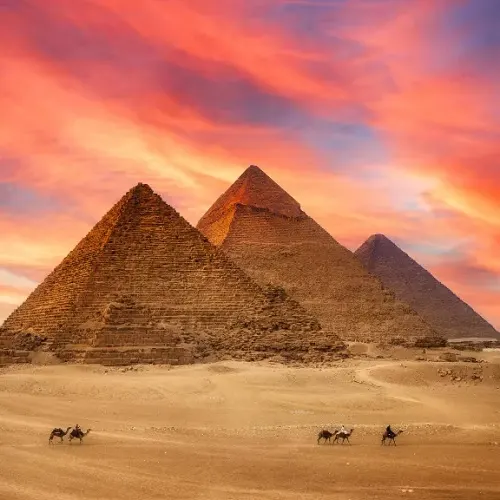
Why Were the Pyramids Built?

Why Were the Pyramids Built?

The pyramids were built in Egypt as monumental tombs symbolizing the pharaohs’ immortality.

Read More
Why Do We Celebrate Religious Festivals

Why Do We Celebrate Religious Festivals

Celebrating holidays is essential to preserve their religious, cultural, and social meanings rooted in gratitude, sharing, and togetherness.

Read More
Why is culture important?

Why is culture important?

Why is culture important? Identity, belonging, social unity, and intergenerational transmission are among its core values.

Read More
Why marriage is not destined?

Why marriage is not destined?

For some people, the reason marriage is not destined lies in destiny, timing, and personal maturity balance.

Read More