Find out why a charger breaks and stops working. Discover the common and unknown reasons why the adapter can no longer charge.
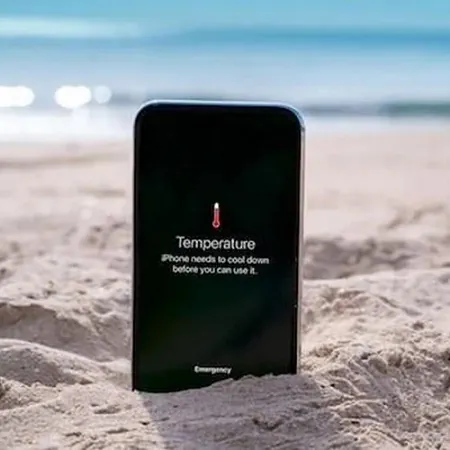
Chargers are one of the most critical and, simultaneously, most worn-out accessories of modern life. The answer to the frequent question "Why does a charger break?" generally falls into three main categories: simple physical wear and tear, incorrect usage, and the end of the electronic components' lifespan. The most prominent physical reason why a charger suddenly stops working is the frequent bending, crushing, or forceful removal of the cable from its sockets. The junction points, especially where the cable meets the adapter or where the cable meets the phone, are the most susceptible areas for the fine conductive wires inside to break. This leads to an interruption in the electric current and prevents the device from performing its function. Furthermore, exposing the charger to water, excessive moisture, or high temperatures can cause permanent damage to the delicate circuit boards inside. These physical stresses shorten the lifespan of the charging device, causing it to fail unexpectedly.
Core Reasons for the No-Charge State and Error Management
A charger becoming unable to charge is not solely due to cable damage; the problem can also lie within the adapter itself or the outlet. The circuit board inside the adapter, which converts AC electricity into low-voltage DC electricity, can burn out or become damaged due to voltage fluctuations and sudden power outages. Such internal damage is more common in low-quality or sub-standard chargers because essential protective components are often missing. Overheating of the adapter can also weaken the solder points of the components, leading to a short circuit. Regarding user error, constantly leaving the charger plugged in even after the phone is fully charged causes the adapter to operate at a low level continually, eventually exhausting its lifespan. The use of non-original chargers is the biggest risk factor threatening the battery health of both the accessory and the device. Such devices usually offer insufficient protection and open the door to unexpected malfunctions.
Methods to Prevent Breakage and Extend Lifespan
You can take simple yet effective precautions to extend your charger's lifespan and prevent it from suddenly stopping working or being unable to charge. The most crucial rule is always to handle the plug or adapter head when inserting or removing the cable from the outlet or device. Pulling the cable causes irreversible damage to the internal wires. You should avoid severely bending cables and coil them loosely when transporting them. Additionally, you should keep the charger away from humid environments, bathrooms, or direct sunlight. Using high-protection surge protectors in areas with frequent voltage fluctuations is the best way to protect the delicate circuit board inside the adapter. Extending the charger's lifespan also involves unplugging the adapter from the wall when your device is fully charged. These simple steps not only prevent the device from breaking but also reduce energy consumption, providing long-term economic benefits and enhancing safety. This conscious usage will also positively affect your devices' performance. /