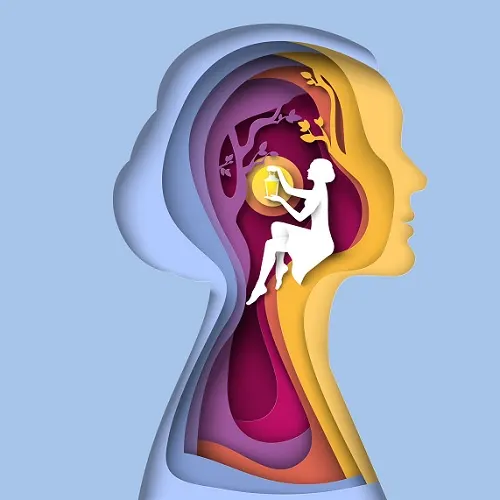
The answer to why and how depression occurs is that the brain’s chemistry becomes largely disrupted due to stress and environmental factors.
Depression is one of the most common mental disorders of the modern age. Although it is sometimes mistaken for temporary sadness, it is actually a serious condition that begins with imbalances in brain chemistry and manifests with both emotional and physical symptoms. So, why does depression occur and why do people become depressed? At its core, depression results from a combination of biological, psychological, and environmental factors. A decrease in chemicals in the brain such as serotonin, dopamine, and norepinephrine which are linked to happiness and motivation disrupts emotional balance. Meanwhile, life losses, trauma, chronic stress, and loneliness accelerate this process. In short, the formation of depression is not simply about “feeling sad” but is the outcome of complex interactions between the mind, biology, and environment.
Why and how does depression occur
To understand how depression develops, it is necessary to look at both brain chemistry and psychological structure.
1- Genetic predisposition: Individuals with a family history of depression are more likely to experience it.
2- Brain chemistry: A drop in serotonin and dopamine levels makes mood regulation more difficult.
3- Trauma and stress: Experiences of violence, neglect, or loss during childhood increase the risk of depression later in life.
4- Hormonal changes: Periods such as postpartum, menopause, or thyroid disorders can lead to hormonal imbalances that trigger depression.
5- Social factors: Loneliness, unemployment, feelings of failure, and societal pressures undermine self-confidence.
When all these factors combine, a person gradually reaches emotional exhaustion.
The effects of depression and the recovery process
Depression affects not only mood but also an individual’s overall life routine. Insomnia, loss of appetite, low energy, lack of concentration, hopelessness, and feelings of worthlessness are common symptoms. In advanced cases, even suicidal thoughts may emerge. However, depression is a treatable condition. With professional support, psychotherapy, and when necessary, medication, the balance of brain chemistry can be restored. Regular exercise, healthy nutrition, and social support also accelerate recovery. Most importantly, depression should not be seen as a weakness but as a condition that requires treatment just like any physical illness. As a person begins to understand themselves, healing becomes truly possible. /
Panic attacks emerge when stress and anxiety build up over time, causing intense and sudden episodes even when the person is unaware of the triggers forming.
Forgetfulness occurs or arises due to aging, stress, or nervous system disorders, and it results from imbalances in the brain’s information-processing process.