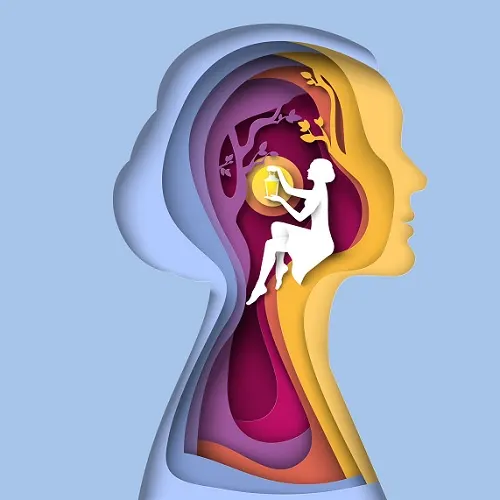
Why does forgetfulness begin?
Forgetfulness occurs or arises due to aging, stress, or nervous system disorders, and it results from imbalances in the brain’s information-processing process.

What causes forgetfulness and how does it develop
The development of forgetfulness is primarily linked to communication problems between nerve cells. The brain transmits information through chemical messengers, but stress hormones or aging can reduce the production of these messengers. Neurological diseases such as Alzheimer’s and dementia also make forgetfulness permanent. Likewise, depression, anxiety, and traumatic events can affect the hippocampus region of the brain, leading to disrupted memory formation. In such cases, individuals may struggle to recall past events or store new information in long-term memory. The answer to how forgetfulness forms lies in the disruption of the brain’s biochemical balance.
Ways to cope with and prevent forgetfulness
Although forgetfulness cannot be completely eliminated, its effects can be reduced through early intervention.
1- Maintaining regular sleep habits,
2- Performing mental exercises that keep the brain active,
3- Eating foods rich in Omega-3 and B vitamins,
4- Engaging in stress-reducing activities such as yoga or meditation,
5- Monitoring cognitive functions under medical supervision are among the most effective solutions.
The brain functions like a muscle; the more it is used, the stronger it becomes. Therefore, mental stimulation combined with a healthy lifestyle significantly reduces the risk of forgetfulness. /