Monday syndrome is the psychological and biological adaptation process from weekend relaxation to work pace.
Monday syndrome is a universal condition defined by feelings of reluctance, fatigue, and lack of motivation toward the first working day of the week. After the relaxing effect of the weekend, returning to a schedule full of responsibilities directly affects both biological rhythm and psychological perception. The human brain perceives deviation from routine and free time as a reward. However, having to return to discipline after this reward, especially for those working in stressful or monotonous jobs, creates a strong internal resistance. This resistance reduces both the mood and productivity of the individual.
Development: Psychological and Biological Factors
There are three main factors underlying Monday syndrome:
1- **Biological rhythm changes.** The disruption of sleep patterns over the weekend affects the body’s circadian rhythm. Sleep deprivation alters cortisol balance, which increases feelings of tiredness.
2- **Psychological transition process.** The human mind struggles to return from pleasant activities to a routine that requires responsibility. This struggle is more evident among those dissatisfied with their work.
3- **Social environment and workplace.** A negative work atmosphere reinforces the lack of motivation. When a person returns to an environment that feels oppressive after the freedom of the weekend, Mondays become even more stressful. When these factors combine, the person experiences not only physical but also mental energy loss. Therefore, Monday syndrome is not merely “reluctance,” but an adaptation response.
Conclusion: Ways to Overcome Monday Syndrome
It is possible to reduce the effects of Monday syndrome. First, keeping a regular sleep schedule over the weekend and going to bed early on Sunday helps the body adapt. Creating motivating plans for Monday ensures a pleasant start to the week. Additionally, fostering positive communication in the workplace and developing a goal-oriented work mindset can ease the impact of the syndrome. In the long term, individuals need to establish life balance and maintain harmony between work and personal life. Because Monday syndrome reflects not just a single day’s discomfort, but the overall level of life satisfaction. When a person finds purpose and meaning in both life and work, Monday is no longer a burden—it becomes a symbol of new beginnings. /
Although gossip is considered wrong and sinful, people still engage in it. We explored why it happens and what drives this behavior. What do you think?
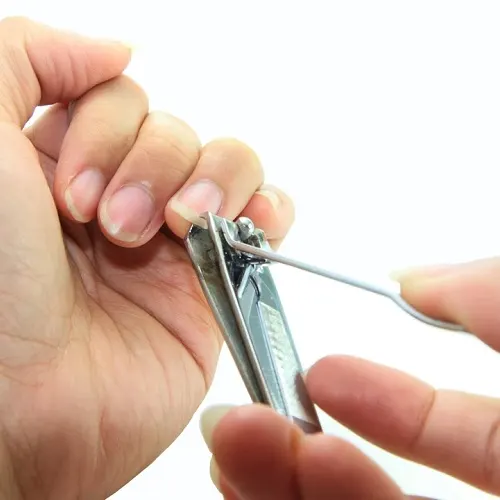
Religious and scientific reason: Cutting nails at night affects spiritual peace and worship, increases the risk of accidents, and raises infection risk; daytime
The reason why the water cut off and why it is being cut off is based on causes like infrastructure failures, drought, power outages, planned maintenance, and pipe bursts.
When angry, asleep, laughing, or arguing, why does a person cry? We have researched this and present to you the reasons, benefits, and drawbacks of crying.