Niye Neden
NiyeNeden.com
Why, Reason, Explained!
Health Life Technology Islam Machine Nutrition Public Science Art Info

Why does SSD overheat?

The reason why SSD overheats is the heat buildup caused by high speed heavy workload and insufficient cooling which can affect performance.
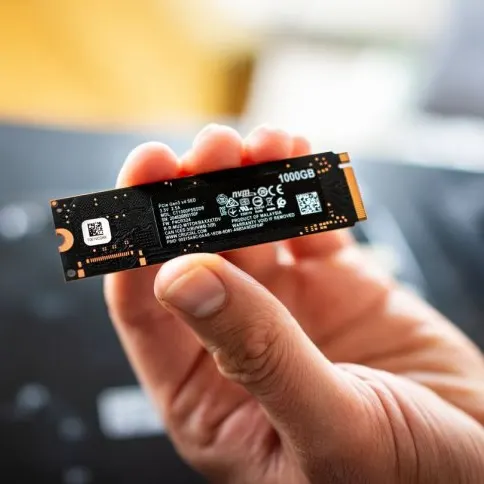
Why does SSD overheat image Why does SSD overheat has become one of the most frequently asked technical questions today with the widespread use of high speed storage units. Modern SSD models, especially NVMe based ones, can transfer very large amounts of data in seconds, so they naturally generate more heat due to their structure. In thin bodied laptops or desktop systems with narrow case designs, dissipating this heat becomes more difficult. Therefore users notice the temperature rise even during normal use. The main reason an SSD overheats is that as speed increases power consumption also increases. This naturally raises heat output and may lead to results such as performance loss thermal throttling lifespan reduction. In addition the structure of the SSD controller chips causes temperature fluctuations when processing load increases. In summary this introduction shows that due to the operating principles of SSD components overheating is inevitable.

Technical reasons that increase SSD temperature

To understand why an SSD overheats, hardware and software factors affecting the temperature must first be evaluated. The most important factor causing heat in SSDs is the heavy workload of the controller chip. During high speed read and write operations the chip remains constantly active. In addition using the SSD without a heatsink is also a common problem. The narrow areas on the motherboard already limit airflow. When the lack of a cooling block is added, temperature values rise rapidly. Summarizing this;
1- NVMe SSDs consume more power due to PCIe speeds,
2- SSD slots without heatsinks or thermal pads,
3- Controller chip strain during heavy file transfer,
4- Closed and air restricted case design,
5- Misconfigured drivers or background running software,
6- Gaps between thermal pad and heatsink,
7- Insufficient airflow in laptop models due to thin bodies These items directly affect SSD temperature. Especially in NVMe models extreme heating within seconds is completely normal. The reason is that these drives are designed with a speed oriented structure. When temperature control cannot be maintained the SSD automatically reduces its speed to avoid exceeding a certain temperature threshold. This is called thermal throttling. Thermal throttling directly reduces performance and appears to the user as a slowdown. Therefore if SSD cooling is not done correctly both speed and long term durability are significantly affected.

Results of SSD overheating and solution suggestions

Excessive SSD heating creates negative effects on both performance and hardware health in the long term. The higher the temperature the faster the cells wear out. This shortens SSD lifespan. In addition a controller chip running under high temperature may eventually become unstable and cause system freezes or data errors. Users should follow a few basic steps to reduce SSD heat. First a cooling block or a suitable thermal pad must be used. Especially for NVMe SSDs a heatsink is essential. Second, airflow inside the case must be improved. If airflow is insufficient heat accumulates inside. Third, unnecessary background programs should be closed and driver updates should be checked. During this process it is also important to regularly monitor temperature. /

Similar Computers Questions and Answers ↓

Why is my computer not turning on?

Why is my computer not turning on?

Power supply failures, hardware malfunctions, or software issues are the main reasons why a computer may fail to start.

Read More
Why does a computer make noise?

Why does a computer make noise?

Fan, hard drive, optical drive, or hardware malfunctions are the main causes of noises in a computer. The most common one is dirty or worn-out fans.

Read More
Why Did the Computer Suddenly Shut Down?

Why Did the Computer Suddenly Shut Down?

Computer suddenly shutting down and restarting can occur due to hardware and software related issues.

Read More
Why Isn’t the Keyboard Typing?

Why Isn’t the Keyboard Typing?

Most likely, the issue isn’t caused by connection, software, or hardware errors, but knowing the possible reasons is essential to identify it accurately.

Read More
Why deleted files come back?

Why deleted files come back?

If your deleted files keep reappearing, the cause is usually a virus, a system malfunction, or a program that automatically restores them.

Read More
Why Does Laptop Fan Run Constantly?

Why Does Laptop Fan Run Constantly?

Laptop fan running constantly is usually caused by heat high processing load dust buildup and software activity.

Read More