Niye Neden
NiyeNeden.com
Why, Reason, Explained!
Health Life Technology Islam Machine Nutrition Public Science Art Info

Why is seawater salty?

Seawater is salty because minerals from rocks and seafloor processes accumulate over millions of years without being removed.

Why is seawater salty image A large portion of the Earth’s surface is covered by seas, and their salinity is directly linked to the water cycle and the chemical structure of the Earth’s crust. Seawater is not only a carrier of water but also of numerous minerals and ions. Therefore, the unique salinity level of oceans is the result of millions of years of accumulation and dissolution processes. These processes maintain the chemical balance of the seas and ensure the continuity of the global ecosystem. To understand why seawater is salty, we must look at the water’s journey from its source through transport and accumulation cycles.

Why is seawater salty

As raindrops fall to the ground, they acquire a slightly acidic structure while passing through the atmosphere. When this acidic water comes into contact with the Earth’s crust, it dissolves rocks and releases the minerals within them. Among the most abundant of these minerals are sodium and chloride ions. Rivers collect and transport these ions and ultimately carry them into the seas. Once these ions reach the ocean, they do not separate from the water again, so they accumulate continuously. One of the main reasons seawater is salty is the **process of mineral transport and permanent accumulation**. Additionally, volcanic activity on the ocean floor and hydrothermal vents continually add minerals to seawater, helping maintain its salinity. This multi-stage cycle has been ongoing uninterrupted for millions of years.

What is the reason seawater is salty

In conclusion, the salinity of seas is formed through the accumulation of minerals transported from land and the influence of geological processes on the ocean floor. Since there is no natural mechanism that can remove this salt from the oceans, the salt concentration eventually reaches a stable balance. This balance is a critical factor that supports marine life and the stability of the ecosystem. The reason all the oceans on Earth have similar salinity levels today is the shared effect of these long-lasting chemical and geological processes. The answer to why seawater is salty is actually an important indicator of the complex yet orderly functioning of the Earth system. /

Similar Geology Questions and Answers ↓

Why does soil undergo erosion?

Why does soil undergo erosion?

Soil undergoes erosion when wind and water carry away the upper fertile layer, weakening the land’s structure.

Read More
Why are fossils found in rocks?

Why are fossils found in rocks?

Fossils are found in rocks because remains of living things are preserved and mineralized in sedimentary layers over time.

Read More
Why do volcanoes erupt?

Why do volcanoes erupt?

The cause of a volcanic eruption is the pressure in the Earth's crust, the rise of magma, and the compression of gases.

Read More
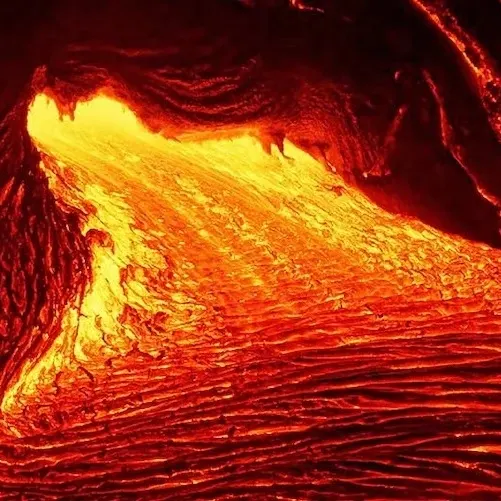
Why does magma rise to the Earths surface?

Why does magma rise to the Earths surface?

Magma rises to the Earth's surface due to pressure differences and density variations in the crust.

Read More
Why Do Earthquakes Occur?

Why Do Earthquakes Occur?

Why do earthquakes occur? Learn about the causes and effects of earthquakes formed by energy buildup in the Earth’s crust, fault lines, and volcanic activity.

Read More
Why does the Earth's crust move?

Why does the Earth's crust move?

The Earths crust moves because convection currents in the mantle push tectonic plates in search of energy balance.

Read More