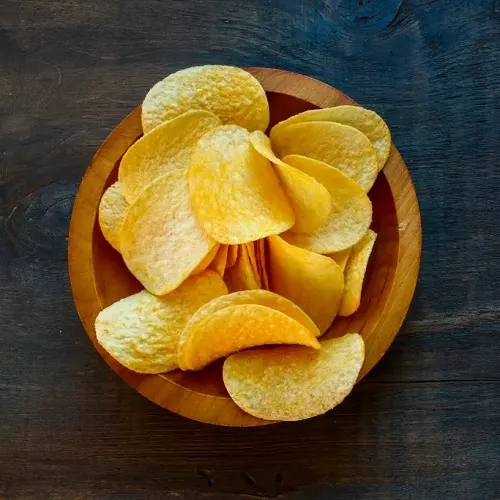
Processed foods are harmful because they contain additives, excess salt, sugar, and fat that negatively affect health.
Why are processed foods harmful is one of the most debated topics in modern nutrition. Today, a large portion of supermarket shelves is filled with processed products that offer convenience and long shelf life but have serious effects on human health. Packaged snacks, ready-made sauces, fast food, and soft drinks are high in sugar, fat, and salt. These ingredients may provide short-term satisfaction and taste but, in the long run, contribute to obesity, heart disease, and diabetes. Additionally, most processed foods are full of preservatives and additives used to extend shelf life, which further harms the body over time.
Loss of nutritional value
The main reason processed foods are harmful is the significant loss of natural nutrients. During production, high heat, refining, and chemical treatments destroy essential vitamins, minerals, and fiber. These altered foods provide what is known as “empty calories” — energy without true nourishment. Moreover, additives, colorants, and artificial flavors can have toxic effects on organs such as the liver. Over time, this disrupts metabolic balance and weakens the immune system. Processed foods thus fill the stomach but deprive the body of genuine nourishment.
Addiction and the influence of modern life
Processed foods often cause dependency because of their high sugar, salt, and fat content. They trigger dopamine release in the brain, creating short-lived pleasure and prompting repeated consumption. Modern lifestyles—characterized by time pressure and convenience—make these foods even more appealing. However, this convenience is deceptive, masking long-term harm. Processed foods are artificial creations shaped by industrial and commercial goals rather than natural human needs. To live healthily, people should minimize consumption of such products and focus instead on fresh, natural, and nutrient-rich foods. /