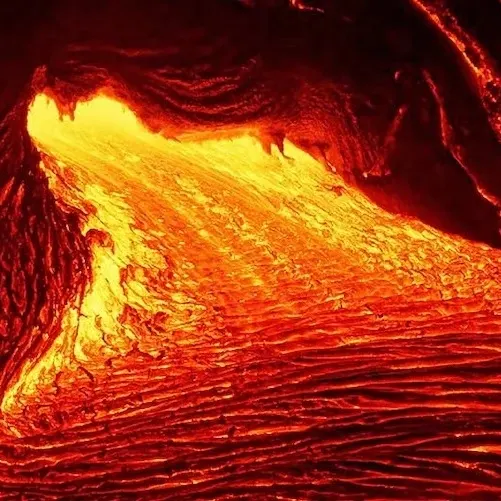
Why do volcanoes erupt?
The cause of a volcanic eruption is the pressure in the Earth's crust, the rise of magma, and the compression of gases.

Causes of volcanic eruptions
The main reason behind volcanic eruptions is that the gas pressure within magma exceeds the strength of the Earth's crust. Gases such as carbon dioxide, water vapor, and sulfur dioxide accumulate in magma chambers, creating massive energy as they are compressed. This energy, like a balloon that bursts when internal pressure builds too high, fractures the crust and releases magma. In addition, tectonic plate movements trigger volcanic activity.
1- When oceanic plates collide, melting rock layers rise as magma.
2- In subduction zones, the heat of the mantle increases, causing molten rock to rise.
3- At plate boundaries, new lava flows emerge. This process is a continuous part of the Earth’s internal energy cycle.
Effects and outcomes of volcanic eruptions
Volcanic eruptions have both destructive and renewing effects. The lava released during eruptions can destroy settlements, but over time, it turns into fertile soil. Ash layers in the atmosphere can block sunlight, leading to temporary climate changes. However, new landmasses also form, and nature rebuilds itself. Scientists study why volcanoes erupt by observing seismic activity, gas emissions, and ground movements to predict future eruptions. These observations are vital not only for human safety but also for understanding the geological balance of our planet. /