Niye Neden
NiyeNeden.com
Why, Reason, Explained!
Health Life Technology Islam Machine Nutrition Public Science Art Info

Why does magma rise to the Earths surface?

Magma rises to the Earth's surface due to pressure differences and density variations in the crust.
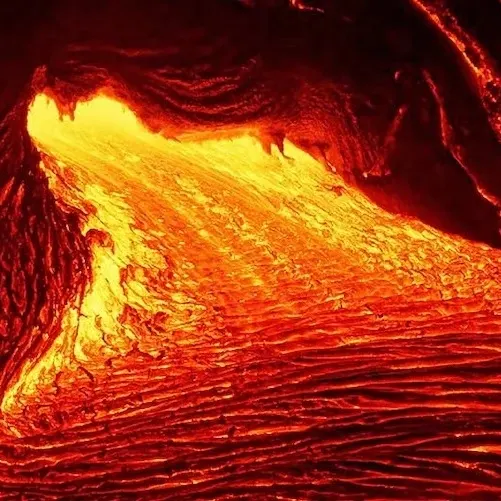
Why does magma rise to the Earths surface image Why does magma rise to the Earth's surface is a question rooted in the dynamic balance of heat, pressure, and density inside our planet. Magma is molten rock formed deep within the Earth where temperatures are extremely high. The Earth’s crust is never truly stable; internal forces, shifting tectonic plates, and thermal energy constantly reshape it. Because magma is less dense than the surrounding solid rock, it naturally moves upward — much like a hot air bubble rising through cooler water. This upward movement reflects the planet’s continuous renewal. Just as the story of why Satan rebelled against God and refused to bow shows that nothing can escape divine order, magma too obeys the unbreakable laws of nature — its heat, pressure, and density compel it to ascend.

Pressure difference and density effect in the Earth's crust

Beneath the surface, the Earth’s temperature rises dramatically. This intense heat melts rock into magma, creating buoyant pockets within the mantle. According to the laws of physics, substances with lower density move upward. At the same time, fractures and faults within the crust open pathways for magma to rise. As pressure builds, magma follows these weaknesses and travels toward the surface. When it finally breaks through, it results in volcanic eruptions, lava flows, and the formation of new land. Each eruption is part of the planet’s natural evolution — not destruction, but transformation.

The balance of nature and the cycle of energy

The movement of magma is a vital mechanism for maintaining the Earth’s balance. Volcanic activity renews the crust, recycles minerals, and releases gases essential to the atmosphere. This process is not chaotic rebellion but rather a precise energy cycle guided by physical law. The same way divine order governs all creation, nature follows its own immutable rules. Magma rises not by chance but because energy, heat, and matter seek equilibrium. Every ascent is part of a larger system of renewal — a reminder that even beneath the surface, the planet is alive, breathing, and evolving in perfect harmony. /

Similar Geology Questions and Answers ↓

Why is seawater salty?

Why is seawater salty?

Seawater is salty because minerals from rocks and seafloor processes accumulate over millions of years without being removed.

Read More
Why does soil undergo erosion?

Why does soil undergo erosion?

Soil undergoes erosion when wind and water carry away the upper fertile layer, weakening the land’s structure.

Read More
Why Do Earthquakes Occur?

Why Do Earthquakes Occur?

Why do earthquakes occur? Learn about the causes and effects of earthquakes formed by energy buildup in the Earth’s crust, fault lines, and volcanic activity.

Read More
Why do volcanoes erupt?

Why do volcanoes erupt?

The cause of a volcanic eruption is the pressure in the Earth's crust, the rise of magma, and the compression of gases.

Read More
Why are fossils found in rocks?

Why are fossils found in rocks?

Fossils are found in rocks because remains of living things are preserved and mineralized in sedimentary layers over time.

Read More
Why does the Earth's crust move?

Why does the Earth's crust move?

The Earths crust moves because convection currents in the mantle push tectonic plates in search of energy balance.

Read More