Why does the Earth's crust move?
The Earths crust moves because convection currents in the mantle push tectonic plates in search of energy balance.


The Earths crust moves because convection currents in the mantle push tectonic plates in search of energy balance.

Fossils are found in rocks because remains of living things are preserved and mineralized in sedimentary layers over time.
Read More
The cause of a volcanic eruption is the pressure in the Earth's crust, the rise of magma, and the compression of gases.
Read More
Why do earthquakes occur? Learn about the causes and effects of earthquakes formed by energy buildup in the Earth’s crust, fault lines, and volcanic activity.
Read More
Seawater is salty because minerals from rocks and seafloor processes accumulate over millions of years without being removed.
Read More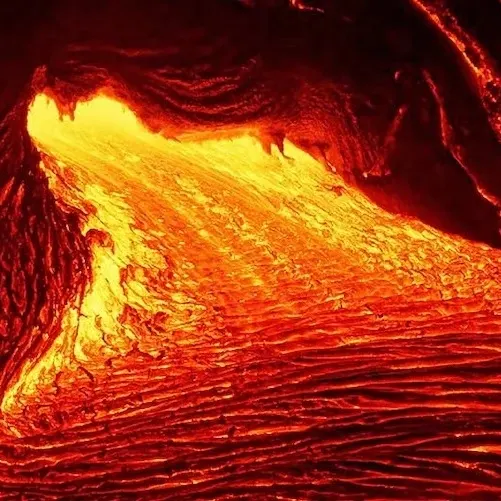
Magma rises to the Earth's surface due to pressure differences and density variations in the crust.
Read More
Soil undergoes erosion when wind and water carry away the upper fertile layer, weakening the land’s structure.
Read More