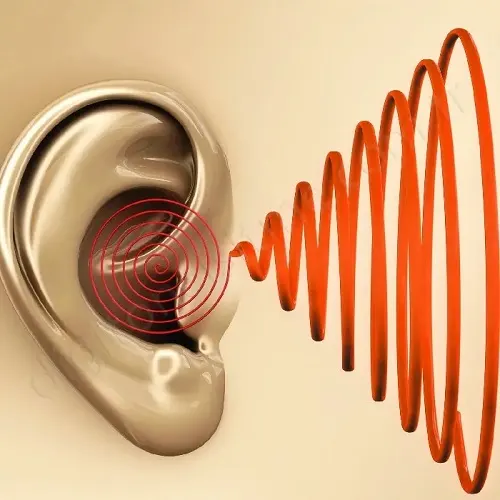
Why Ears Get Blocked on Airplanes?
Ear blockage on airplanes usually occurs due to pressure changes and eustachian tube effects and can be relieved with simple methods.

Air Pressure in Planes and the Eustachian Tube
The main cause of ear blockage on airplanes is sudden pressure changes. The pressure difference between the middle ear and the outer ear is balanced through the eustachian tube. However, if the tube is temporarily blocked or not functioning properly, a feeling of fullness and blockage occurs in the ear. Conditions such as colds, sinusitis, or allergies can cause swelling of the eustachian tube and hinder its function. Therefore, passengers with these health issues may experience ear blockage more frequently during flights. Along with pressure changes, mild ringing, popping, or fullness in the ears is also commonly observed.Preventing and Relieving Ear Blockage on Airplanes
There are several effective methods to prevent or relieve ear blockage on airplanes. Chewing gum, swallowing, or performing simple maneuvers like closing the nose and gently blowing (Valsalva maneuver) can help open the eustachian tube and balance pressure. Additionally, careful swallowing and sipping water during takeoff and landing can reduce ear blockage. Passengers with a history of allergies or sinusitis may use antihistamines or decongestants under medical advice to prevent blockage. On long flights, tilting the head slightly to the side or gently massaging the ears can also provide relief. It is important to know that ear blockage is usually temporary and does not indicate a serious health problem.When to Seek Professional Advice
Ear blockage on airplanes is usually short-term and self-resolving. However, if accompanied by severe pain, hearing loss, dizziness, or ear discharge, one should consult an ENT specialist without delay. Ear blockage on airplanes is mostly related to simple pressure changes, but in some cases, it may indicate more serious issues such as fluid accumulation or infection in the middle ear. Therefore, taking precautions and observing symptoms is important to prevent potential complications.Methods to Relieve Ear Blockage and Ringing:
1- Chew gum or swallow,
2- Perform the Valsalva maneuver (close the nose and gently blow),
3- Drink water during takeoff and landing,
4- Use medication under doctor’s advice in cases of allergies or colds,
5- Tilt the head slightly to the side or massage the ears on long flights. /